
maker-spaces
What a school makerspace actually needs
Five things the makerspaces that keep running after the opening ceremony have in common.
Read →learnosteam
Why LearnOSTEAM starts robotics on screen, and where real hardware comes in.
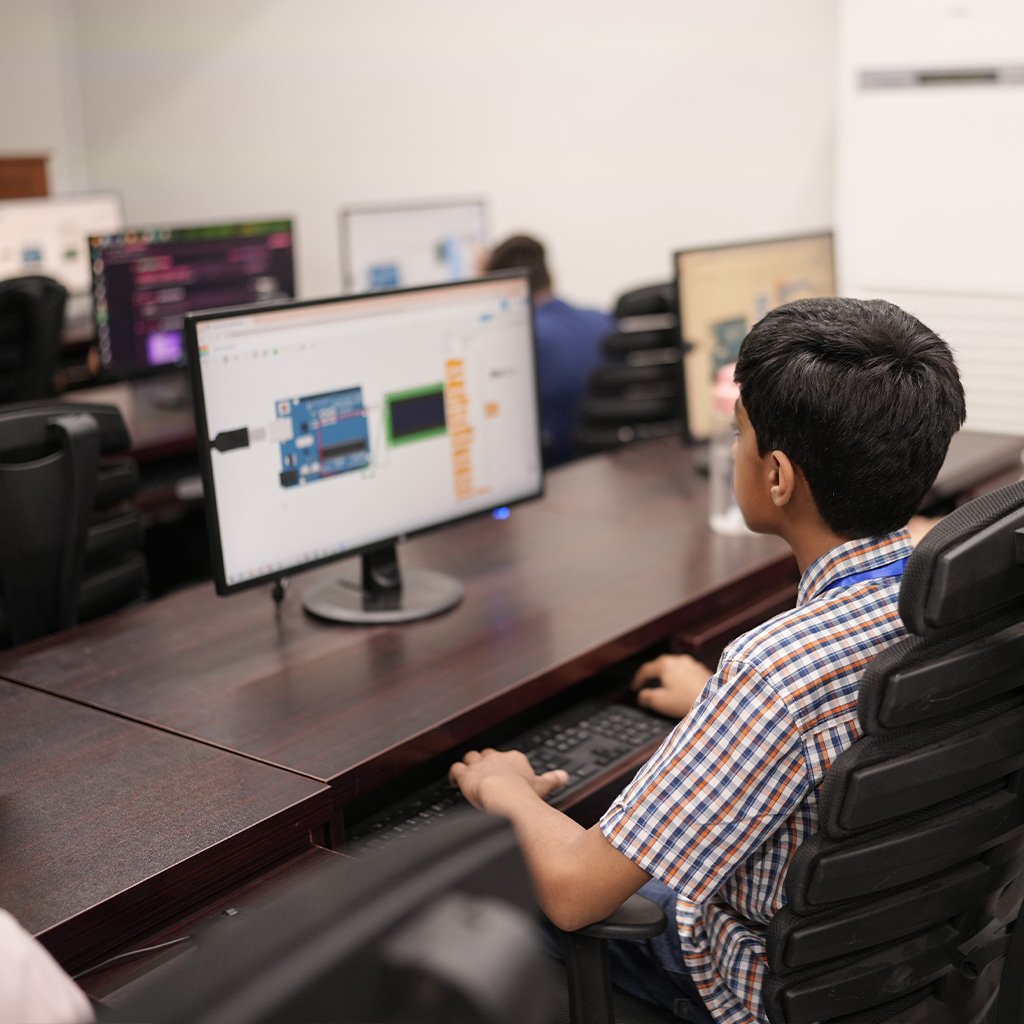
Most schools can't put a robotics kit in front of every student, and the ones that try find the kits break, go missing, or sit in a cupboard between lessons. LearnOSTEAM starts somewhere else: on the screen.
Every student builds at once, not one group per kit.
Mistakes cost nothing: a robot that drives off the table in a simulator just restarts.
Lessons don't stop when a part is missing or a battery is flat.
Schools save on expensive robotics kits, and spend on hardware where it adds the most.
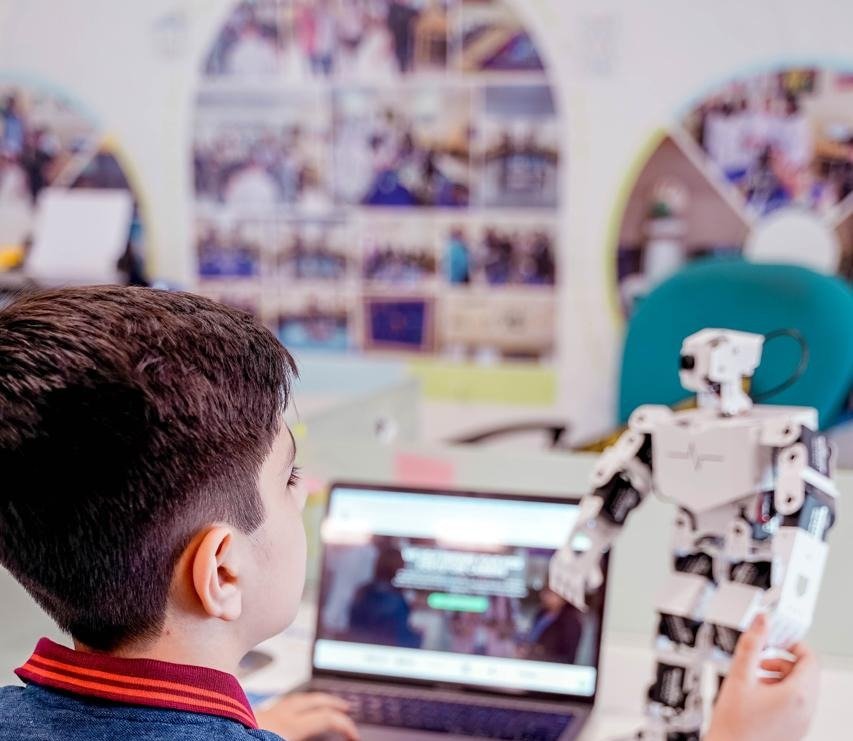
Simulators teach the thinking: sequencing, sensors, loops and debugging. Hardware makes it real. Once a student's program works on screen, the same ideas move to a physical kit, where wiring, friction and flat batteries become part of the lesson rather than the reason it stalled.
Lessons are built on experiential activities, the curriculum is designed by experts, and dashboards show how each student is doing, so teachers can see who needs help before the end of term.
Schools can book a meeting from the For Schools page to see it in action.
Related
maker-spaces
Five things the makerspaces that keep running after the opening ceremony have in common.
Read →If this post raises a question about your own deployment, that's a conversation worth having directly.